Lemon Blueberry Sourdough Bread Recipe-Easy & Delicious
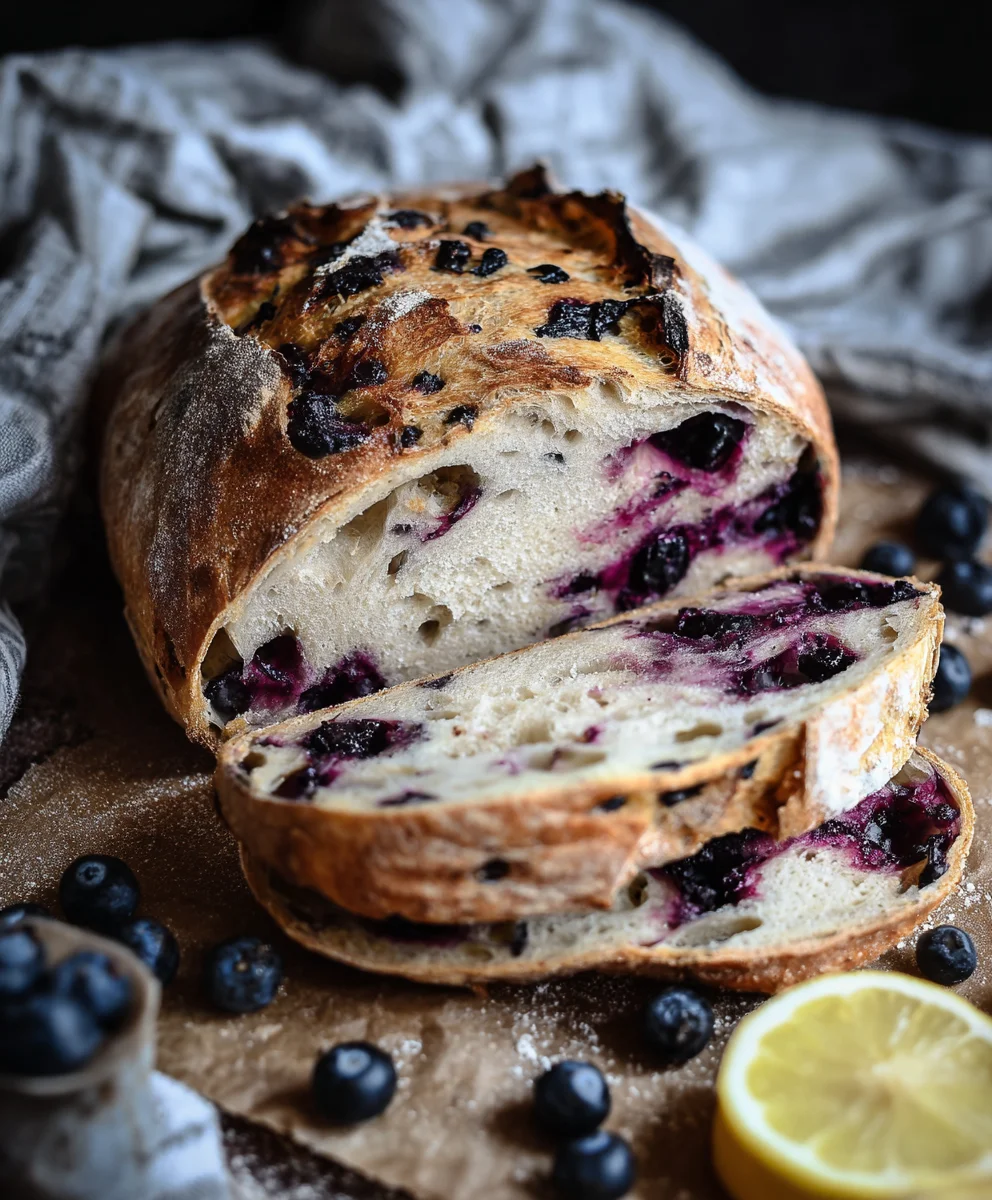
Lemon Blueberry Sourdough Bread Recipe is a delightful journey for your senses, a perfect marriage of tangy citrus and sweet berries enveloped in the irresistible chew of naturally leavened bread. Have you ever craved that perfect slice of homemade bread, one that’s bursting with flavor and boasts a wonderfully tender crum extractb? This particular sourdough creation is exactly that – a testament to the magic that happens when simple, wholesome ingredients are coaxed into something extraordinary. It’s a recipe that brings together the best of both worlds: the comforting, complex tang of sourdough starter, enhanced by the bright, zesty notes of fresh lemon, and punctuated by the juicy pops of ripe blueberries. What makes this Lemon Blueberry Sourdough Bread Recipe truly special is its ability to transform a humble loaf into a showstopper. Imagin extracte the aroma filling your kitchen as it bakes, a promise of the exquisite taste that awaits. It’s more than just breakfast; it’s an experience, a little piece of sunshine baked into every bite.
Ingredients:
- 50g active sourdough starter
- 350g water
- 500g bread flour
- 11g salt
- 150g fresh blueberries
- zest of one lemon
- 8 Tablespoons butter, room temperature (113g)
- 1/2 cup fresh blueberries, mashed (75g)
- 2 Tablespoons honey (45g)
- a pinch of salt
Preparing the Dough
Autolyse
- In a large mixing bowl, combine the 500g of bread flour and 350g of water. Mix with your hands or a spatula until just combined and no dry flour remains. The dough will be shaggy at this stage. Cover the bowl with a damp kitchen towel or plastic wrap and let it rest for 30 minutes. This process, called autolyse, helps to hydrate the flour and initiate gluten development, making the dough easier to work with later on.
Mixing the Dough
- After the autolyse period, add the 50g of active sourdough starter and 11g of salt to the dough. Wet your hands slightly to prevent sticking and begin extract to incorporate the starter and salt into the dough. You can do this by pinching and folding the dough over itself. Continue mixing and folding for about 5-7 minutes until the starter and salt are evenly distributed throughout the dough. The dough will start to feel a bit smoother and more cohesive.
Developing Gluten (Stretch and Folds)
- Now, gin extractll begin the stretch and fold process to build strength and structure in the dough. This is a crucial step for achieving a good rise and open crum extractb. For the first set of stretch and folds, wet your hands again. Grab one side of the dough, gently stretch it upwards without tearing, and fold it over the center of the dough. Rotate the bowl 90 degrees and repeat this process three more times, until you have stretched and folded all four “sides” of the dough. This action helps align the gluten strands. Cover the bowl and let it rest for 30 minutes. Repeat this stretch and fold sequence a total of 3-4 times, with 30-minute rests in between each set. You’ll notice the dough becoming smoother, more elastic, and holding its shape better with each set.
Adding Flavorings
- Once you’ve completed your final set of stretch and folds and the dough has rested for 30 minutes, it’s time to incorporate the delicious lemon and blueberry flavors. Gently spread the dough out slightly on your work surface. Scatter the 150g of fresh blueberries and the zest of one lemon evenly over the surface of the dough. Now, carefully fold the dough over the blueberries and zest, attempting to enclose them as much as possible. You might need to do a few more gentle folds to distribute them evenly without bursting too many of the blueberries. Be patient with this step; it’s okay if some peek through. Once incorporated, gently shape the dough back into a rough ball.
Bulk Fermentation and Shaping
- Allow the dough to undergo bulk fermentation at room temperature for approximately 4-6 hours, or until it has increased in volume by about 30-50% and feels airy. The exact time will depend on the temperature of your kitchen. During this period, you can perform one or two more gentle sets of stretch and folds if you feel the dough needs it, but avoid overworking it at this stage. After bulk fermentation, lightly flour your work surface. Gently turn the dough out onto the floured surface. Perform a pre-shape by gently pulling the edges of the dough into the center to form a loose ball. Let it rest, covered, for 20-30 minutes. Then, perform your final shape. For a round loaf (boule), gently cup your hands around the edges of the dough and pull it towards you, creating tension on the surface. For an oval loaf (batard), gently shape it into an oval, again focusing on creating surface tension. Place the shaped dough, seam-side up, into a well-floured banneton or a bowl lined with a floured kitchen towel.
Proofing and Baking
- Cover the banneton or bowl and refrigerate for at least 12 hours, or up to 24 hours, for its final proof. This cold fermentation develops flavor and makes the dough easier to handle. When you’re ready to bake, preheat your oven with a Dutch oven inside to 475°F (245°C) for at least 30 minutes. Carefully remove the hot Dutch oven from the oven. Gently invert the proofed dough onto a piece of parchment paper. Score the top of the dough with a sharp knife or lame – a simple slash or pattern will do. Carefully lower the dough into the hot Dutch oven, cover it with the lid, and place it back in the oven. Bake for 20 minutes with the lid on.
Finishing the Bake and Making the Butter Spread
- After 20 minutes, remove the lid from the Dutch oven. Reduce the oven temperature to 450°F (230°C) and continue baking for another 20-25 minutes, or until the crust is a deep golden brown and the internal temperature of the bread reaches 205-210°F (96-99°C). While the bread is baking, prepare the compound butter. In a small bowl, combine the 8 Tablespoons of room temperature butter (113g), the 1/2 cup of mashed fresh blueberries (75g), the 2 Tablespoons of honey (45g), and a pinch of salt. Mix these ingredients thoroughly until well combined and creamy. Once the bread is baked, carefully remove it from the Dutch oven and place it on a wire rack to cool completely before slicing. This is essential frum extractthe crumb structure to set properly. Once cooled, spread a generous amount of the prepared lemon-blueberry honey butter over a slice of the warm bread. The sweet and tart flavors of the butter will complement the tangy sourdough beautifully.
Conclusion:
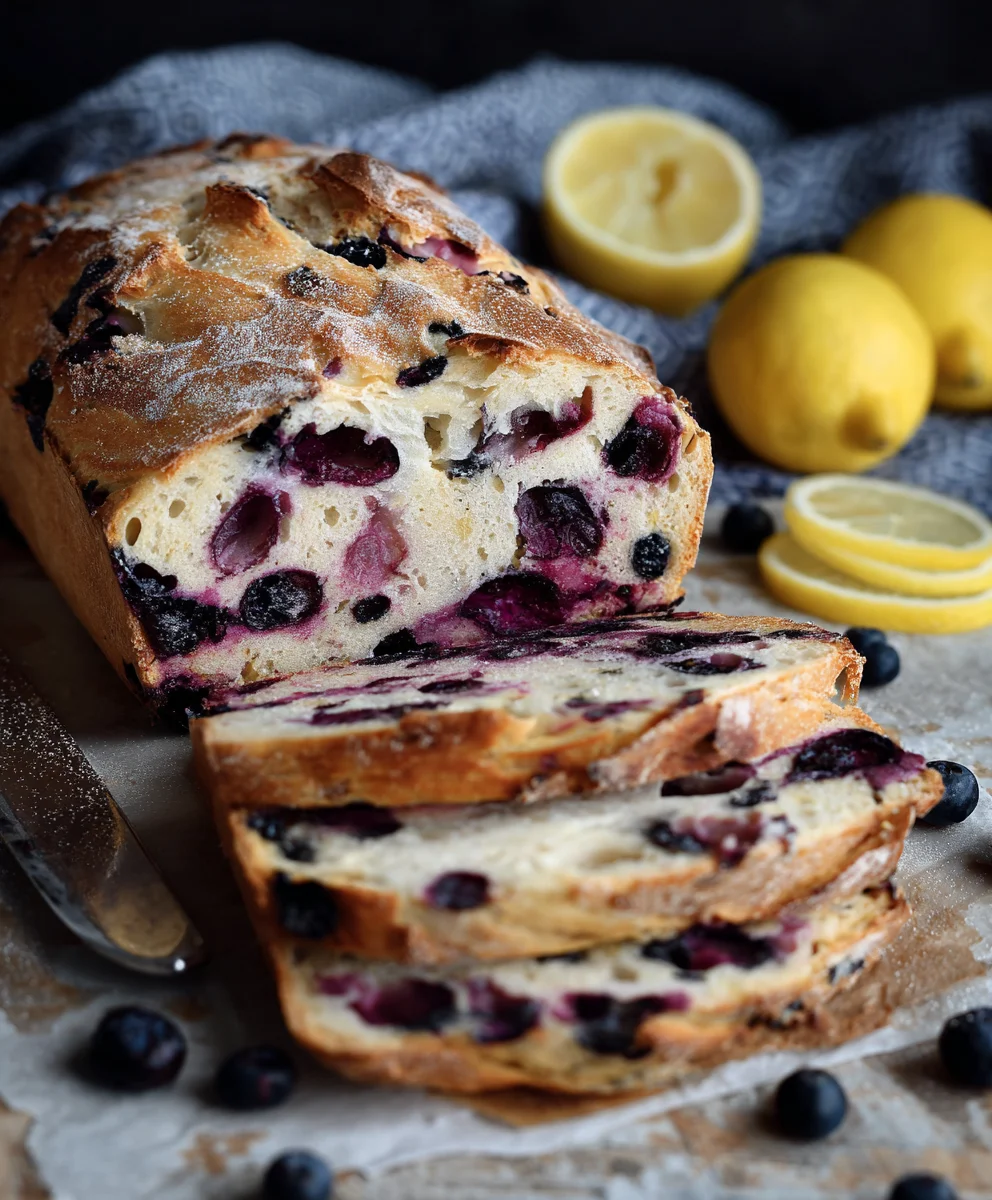
We hope you’ve enjoyed learning how to create this delightful Lemon Blueberry Sourdough Bread Recipe! This loaf is a true testament to the magic of sourdough, combining the tangy depth of fermented dough with the bright burst of lemon and sweet bursts of blueberries. It’s a truly rewarding bake, offering a wonderful aroma and a complex flavor profile that’s far superior to your average quick bread. Enjoy this bread warm, fresh from the oven, or toasted the next day for a satisfying crunch. It’s perfect on its own, or slathered with a bit of butter or cream cheese. Experiment with adding a touch of lemon zest to your cream cheese or a drizzle of honey for an extra layer of deliciousness.
Don’t be afraid to get creative with variations! You could try adding a sprinkle of poppy seeds for a subtle crunch and nutty flavor, or swap the blueberries for raspberries for a different berry twist. For a more pronounced lemon flavor, you can also make a simple lemon glaze with powdered sugar and lemon juice to drizzle over the cooled loaf. Embrace the process, savor the moments of anticnon-alcoholic ipation, and most importantly, have fun baking this wonderful Lemon Blueberry Sourdough Bread Recipe. Happy baking!
Frequently Asked Questions:
Can I use frozen blueberries in this Lemon Blueberry Sourdough Bread Recipe?
Yes, you can absolutely use frozen blueberries! It’s best to toss them with a tablespoon of flour before folding them into the dough to help prevent them from bleeding too much color. You may also need to bake the loaf for a few extra minutes as the frozen berries will release more moisture.
My sourdough starter isn’t very active. Will this Lemon Blueberry Sourdough Bread Recipe still work?
While an active and healthy sourdough starter is crucial for the best rise and flavor, you can still achieve a decent loaf with a moderately active starter. Ensure your starter is fed consistently and showing good signs of activity before you begin extract. If it’s sluggish, try feeding it more frequently for a few days leading up to baking.
How do I store leftover Lemon Blueberry Sourdough Bread?
Once completely cooled, store your Lemon Blueberry Sourdough Bread Recipe loaf at room temperature in a bread box or a loosely tied paper bag for up to 3 days. For longer storage, you can slice the bread and freeze it in an airtight container or freezer bag for up to 3 months. Simply toast slices directly from frozen.
Lemon Blueberry Sourdough Bread
An easy and delicious recipe for homemade Lemon Blueberry Sourdough Bread, perfect for any occasion. The tangy sourdough base is complemented by bright lemon zest and sweet blueberries, finished with a flavorful blueberry honey butter.
Ingredients
-
50g active sourdough starter
-
350g water
-
500g bread flour
-
11g salt
-
150g fresh blueberries
-
zest of one lemon
-
8 Tablespoons butter, room temperature (113g)
-
1/2 cup fresh blueberries, mashed (75g)
-
2 Tablespoons honey (45g)
-
a pinch of salt
Instructions
-
Step 1
Autolyse: Combine bread flour and water in a large bowl. Mix until just combined. Cover and let rest for 30 minutes. -
Step 2
Mix Dough: Add sourdough starter and salt to the dough. Incorporate by pinching and folding for 5-7 minutes until evenly distributed and smoother. -
Step 3
Develop Gluten: Perform 3-4 sets of stretch and folds, with 30-minute rests in between each set, to build dough strength. -
Step 4
Add Flavorings: Gently spread dough, scatter fresh blueberries and lemon zest over it. Fold dough to enclose flavorings. Shape into a rough ball. -
Step 5
Bulk Fermentation and Shaping: Let dough bulk ferment at room temperature for 4-6 hours until it increases in volume by 30-50%. Perform a pre-shape and rest for 20-30 minutes. Then, final shape the dough into a boule or batard and place seam-side up in a floured banneton or bowl. -
Step 6
Proofing and Baking: Cover and refrigerate for 12-24 hours. Preheat oven with a Dutch oven to 475°F (245°C). Score the dough, place in the hot Dutch oven, cover, and bake for 20 minutes. -
Step 7
Finishing Bake & Butter Spread: Remove lid, reduce oven temperature to 450°F (230°C), and bake for another 20-25 minutes until golden brown. While baking, mix butter, mashed blueberries, honey, and salt for the spread. Cool bread completely before slicing and serving with the butter spread.
Important Information
Nutrition Facts (Per Serving)
It is important to consider this information as approximate and not to use it as definitive health advice.
Allergy Information
Please check ingredients for potential allergens and consult a health professional if in doubt.