Best Caesar Salad Dressing Recipe- Creamy & Tangy
The Best Caesar Salad Dressing is more than just a condiment; it’s the soul of a truly magnificent Caesar salad. We’ve all had those limp, lackluster versions, haven’t we? The kind where the dressing is either too oily, too bland, or just… wrong. But when you nail it, when that perfect balance of creamy, tangy, and umami hits your tongue, it’s a revelation. People adore Caesar salad because it’s simultaneously refreshing and satisfying, a delightful dance of crisp romaine, crunchy croutons, and that irresistible dressing. What truly elevates this classic is a homemade Caesar salad dressing that sings with flavor. Forget the bottled stuff; this recipe unlocks the secrets to a dressing so good, it will transform your salads from ordinary to absolutely extraordinary.
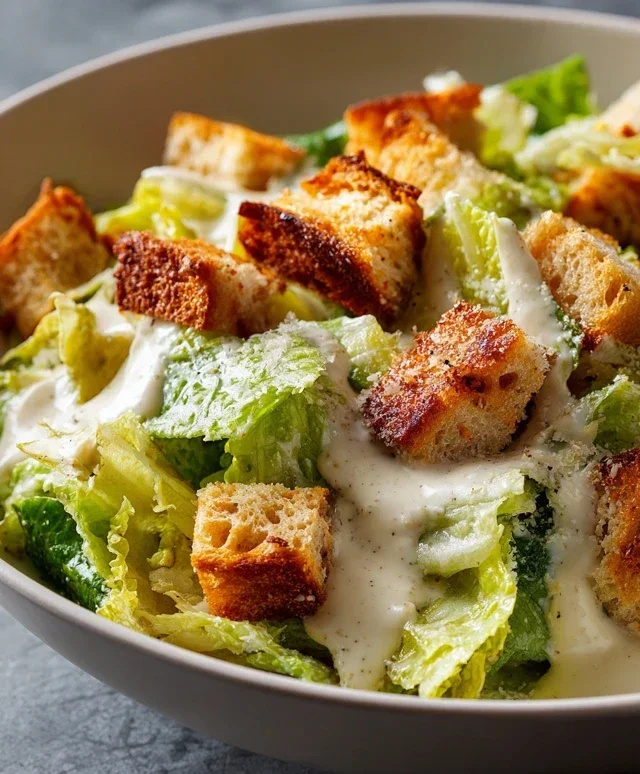
The Best Caesar Salad Dressing
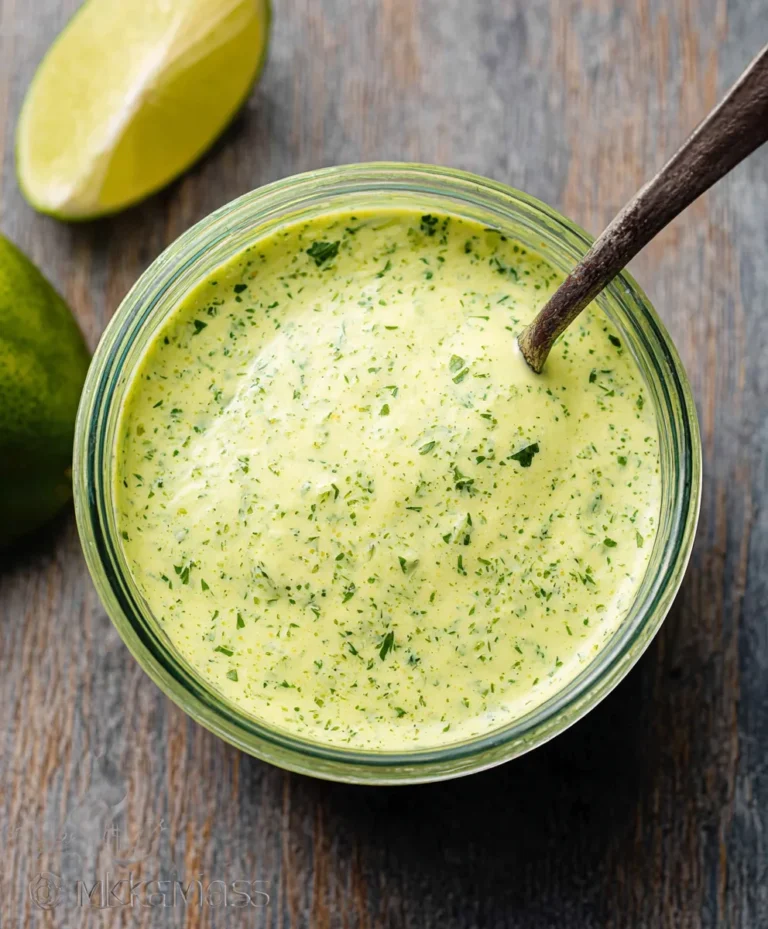
Forget those watery, bland store-bought dressings! Today, we’re diving deep into the heart of what makes a Caesar salad truly sing: the dressing. This isn’t just a condiment; it’s a symphony of tangy, creamy, savory, and subtly pungent flavors that elevates crisp romaine to legendary status. I’ve spent years perfecting this recipe, tweaking proportions and ingredient choices to achieve that perfect balance. It’s a dressing that’s rich and emulsified, clingin extractg beautifully to every leaf, and delivering an unforgettable punch with every bite. This is the Caesar dressing that will have your friends beggin extractg for the recipe.
Ingredients:
Now, let’s talk about why these ingredients are crucial. The egg yolks, at room temperature, are key to creating a stable emulsion. Cold eggs can seize up, making it harder to achieve that smooth, creamy texture. The garlic, minced or grated, should be fine enough to dissolve into the dressing, releasing its pungent aroma without overpowering. Dijon mustard acts as another emulsifier and adds a subtle tang that complements the lemon. Anchovy paste, or finely minced anchovy fillets, is non-negotiable for authentic Caesar flavor. It provides that umami depth without making the dressing taste fishy – trust me on this! Fresh lemon juice is our bright, acidic counterpoint, cutting through the richness. We’re using a combination of extra virgin extract olive oil for its flavor and a neutral oil to ensure a lighter, less oily final product that emulsifies beautifully. And of course, freshly grated Parmesan cheese adds that salty, nutty goodness that is synonymous with Caesar salad.
Crafting the Perfect Caesar Dressing
Making this dressing from scratch is surprisingly simple, and the reward is immeasurable. The key to a successful emulsion lies in patience and the gradual addition of oil. Don’t rush this process; take your time and you’ll be rewarded with a dressing that is far superior to anything you can buy.
1. The Foundation: Building the Flavor Base. In a medium bowl, combine the two room-temperature egg yolks. Add the finely minced or grated garlic, Dijon mustard, and anchovy paste (or minced anchovy fillets). Whisk these ingredients together vigorously until they are well combined and start to form a paste-like consistency. This initial step is where we build the core flavor profile of our dressing. The garlic will begin extract to mellow as it sits with the other ingredients, and the anchovy will dissolve, contributing its essential savory notes. It’s important that your egg yolks are truly at room temperature; if they’re cold, gently warm them by placing the bowl over a saucepan of warm (not boiling) water for a minute or two, whisking continuously. This warming step also helps to slightly cook the egg yolks, making the dressing safer to consume without actually cooking them into a scramble.
2. Introducing the Acidity and Emulsifiers. Next, add the fresh lemon juice to the egg yolk mixture. Whisk everything together again until it’s thoroughly incorporated. At this stage, the mixture will be a pnon-alcoholic ale yellow and slightly thicker. The lemon juice not only provides that essential tang but also helps to break down the egg yolks further, preparing them to emulsify with the oils. This is also the point where you’ll want to taste your base. If you prefer a brighter, more acidic dressing, you can add another teaspoon of lemon juice here. Remember, we can always add more lemon juice later, but we can’t take it away.
3. The Crucial Emulsification: Slowly Does It. This is the most critical step for achieving a creamy, stable dressing. Begin extract adding the oils, a tiny drizzle at a time, while whisking constantly and vigorously. I’m talking about adding the oil almost drop by drop initially. As you whisk, you’ll notice the mixture starting to thicken and become creamy. Continue this slow, steady addition of oil, gradually increasing to a thin stream as the dressing begin extracts to emulsify. You want to ensure that each addition of oil is fully incorporated before adding more. If you add the oil too quickly, the dressing can break, becoming oily and separated. If you find it’s getting too thick too quickly, you can add a teaspoon of warm water to help thin it out. We’re aiming for a texture similar to mayonnaise.
4. Finishing Touches: Cheese and Seasoning. Once all the oil has been incorporated and you have a beautifully emulsified, thick dressing, it’s time to add the grated Parmesan cheese. Stir it in until it’s evenly distributed. The cheese will add another layer of savory flavor and a subtle texture. Now, it’s time to season. Taste your dressing and add salt and freshly ground black pepper as needed. Remember that the anchovy paste and Parmesan cheese are already salty, so season cautiously. You might find you don’t need much salt at all. Grind fresh black pepper liberally; the bite of fresh pepper is essential for a truly great Caesar dressing.
5. The Final Polish and Resting. After seasoning, give the dressing one last vigorous whisk. If the dressing seems a little too thick for your liking, you can whisk in another teaspoon or two of lemon juice or even a tiny splash of water until it reaches your desired consistency. For the absolute best flavor, I recommend letting the dressing rest in the refrigerator for at least 30 minutes before serving. This allows the flavors to meld and deepen, creating a more complex and satisfying taste. The dressing will continue to thicken slightly as it chills.
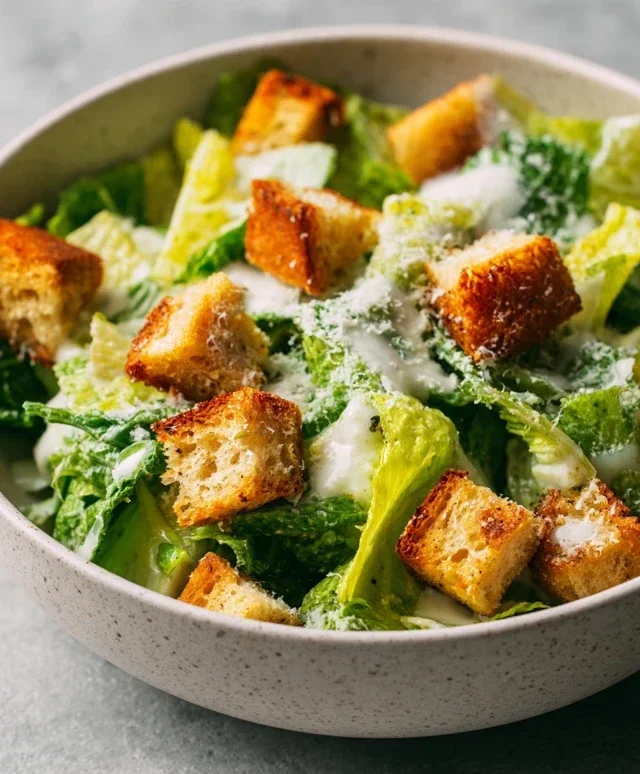
This homemade Caesar salad dressing is incredibly versatile. While it’s the perfect companion for crisp romaine lettuce, croutons, and extra Parmesan, it also makes a fantastic marinade for chicken or fish, or even a dip for vegetables. Enjoy the taste of authentic, homemade goodness!
Conclusion:
There you have it – the blueprint for creating what I truly believe is the best Caesar salad dressing! This recipe, with its perfect balance of tangy lemon, rich Worcestershire, pungent garlic, and creamy Parmesan, is a game-changer. It’s incredibly versatile, transforming a simple bowl of greens into a gourmet experience. I love it not just for classic Caesar salads, but as a dip for roasted vegetables, a marinade for chicken, or even a flavorful spread on sandwiches. Don’t be intimidated by the anchovy paste; it’s the secret to that authentic umami depth you can’t achieve otherwise, and the flavor mellows beautifully. I wholeheartedly encourage you to give this recipe a try. You’ll be amazed at how simple it is to elevate your salads with this truly superior Caesar salad dressing.
Frequently Asked Questions:
Can I make this dressing ahead of time?
Absolutely! This Caesar salad dressing keeps beautifully in an airtight container in the refrigerator for up to a week. The flavors even tend to meld and deepen over time, making it even more delicious on day two and beyond.
What if I don’t have anchovy paste?
While anchovy paste is key to that signature Caesar flavor, you can substitute it with a teaspoon of finely minced anchovy fillets. If you have a strong aversion to anchovies altogether, you can omit them, but be aware that the dressing will have a slightly different, less complex flavor profile. You might consider adding a touch more Worcestershire sauce or a pinch of salt to compensate for some of the lost umami.
How can I make this dressing lighter or vegan?
For a lighter version, you can substitute half of the mayonnaise with plain Greek yogurt or even a good quality low-fat sour cream. For a vegan Caesar salad dressing, replace the mayonnaise with silken tofu or a vegan mayonnaise, use nutritional yeast instead of Parmesan cheese, and omit the Worcestershire sauce or find a vegan alternative. The goal is to capture that creamy, tangy, and savory essence!
The Best Caesar Salad Dressing
A classic, creamy, and zesty Caesar salad dressing that’s perfect for any salad.
Ingredients
-
2 cups mayonnaise
-
1/4 cup grated Parmesan cheese
-
2 tablespoons Dijon mustard
-
2 tablespoons fresh lemon juice
-
1 tablespoon Worcestershire sauce
-
2 cloves garlic, minced
-
1/2 teaspoon black pepper
Instructions
-
Step 1
In a medium bowl, combine the mayonnaise, grated Parmesan cheese, Dijon mustard, fresh lemon juice, Worcestershire sauce, minced garlic, and black pepper. -
Step 2
Whisk all the ingredients together until well combined and smooth. -
Step 3
Taste and adjust seasonings as needed. You might want to add more lemon juice for tanginess or pepper for a bit of spice. -
Step 4
For a thinner dressing, you can whisk in a tablespoon or two of water until you reach your desired consistency. -
Step 5
Cover the bowl and refrigerate for at least 30 minutes to allow the flavors to meld. -
Step 6
Serve chilled over your favorite Caesar salad.
Important Information
Nutrition Facts (Per Serving)
It is important to consider this information as approximate and not to use it as definitive health advice.
Allergy Information
Please check ingredients for potential allergens and consult a health professional if in doubt.