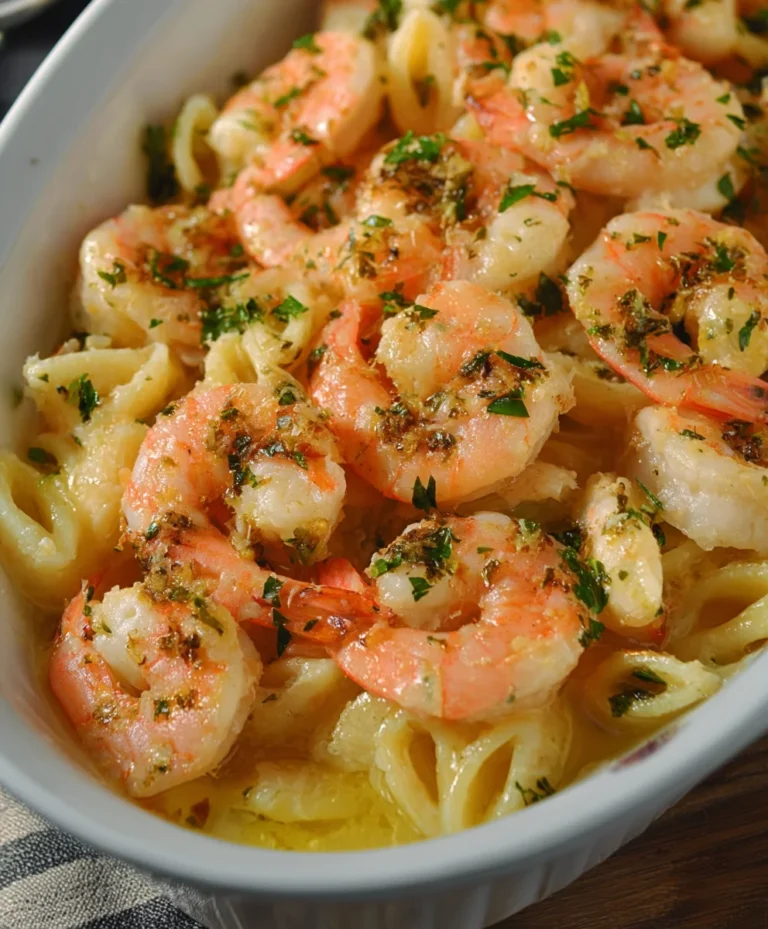
Keto Asian Style Beef – Easy & Flavorful Recipe
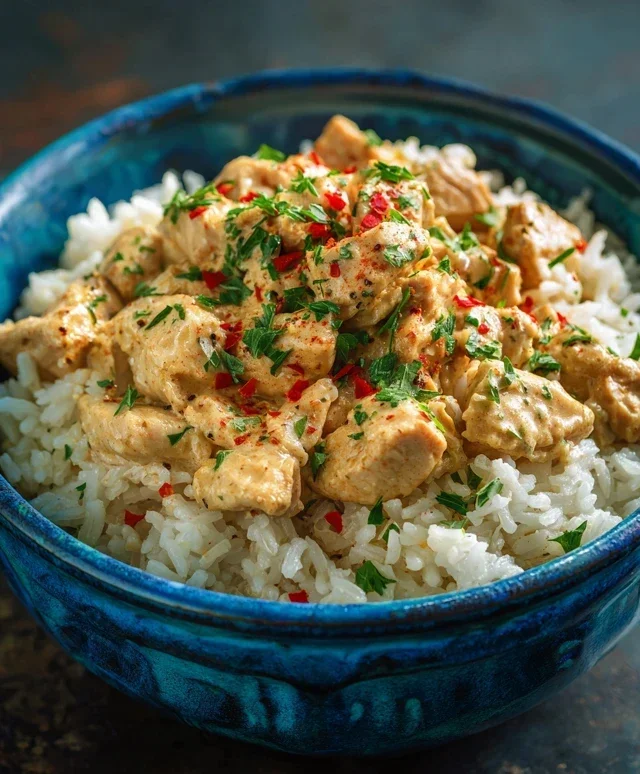
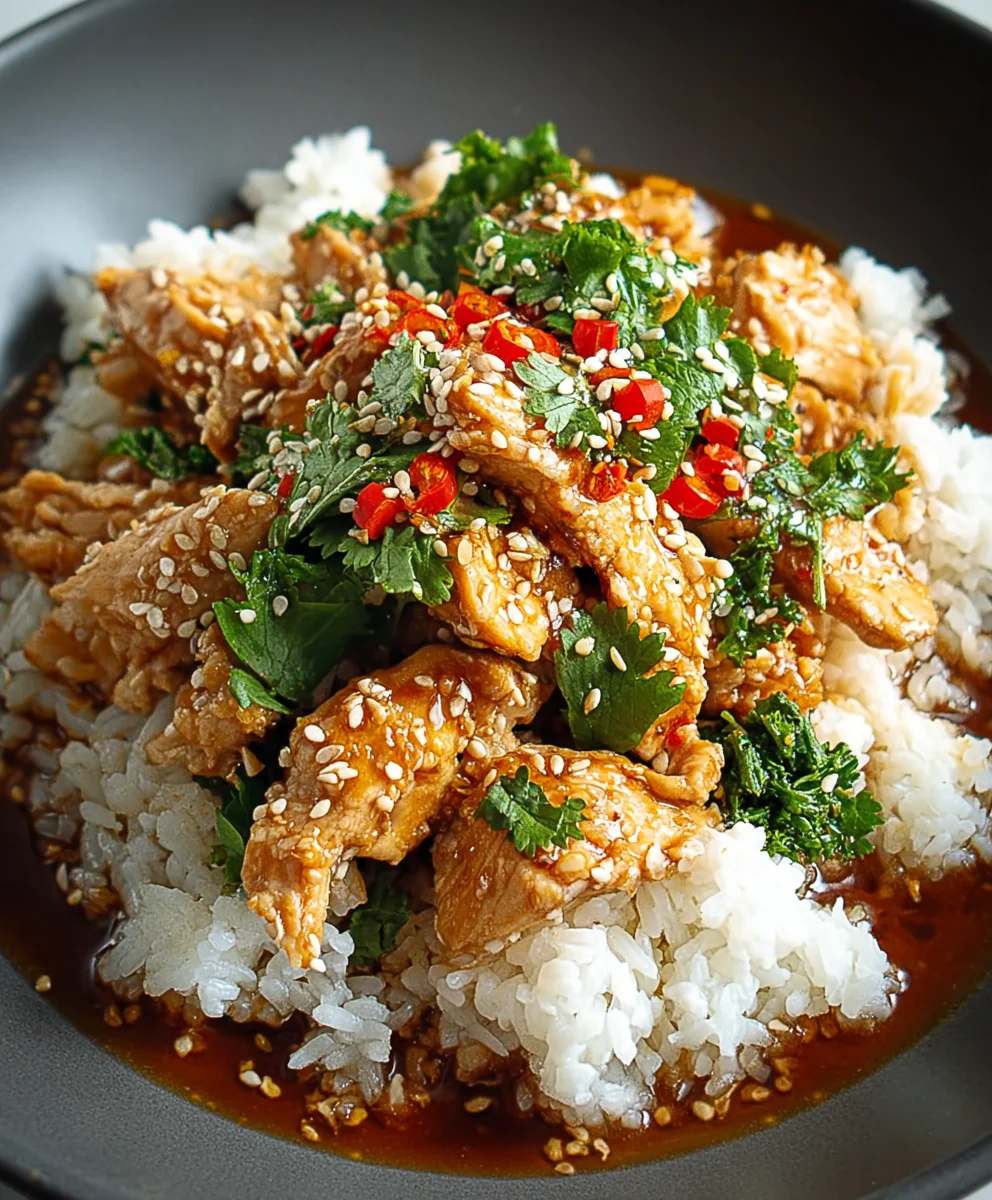
Keto Asian Style Chicken is more than just a meal; it’s an escape to a world of vibrant flavors and satisfying textures, all while staying true to your low-carb lifestyle. If you’ve ever found yourself craving the savory, umami-rich profiles of Asian cuisine without the carb-heavy accompaniments like rice or noodles, then this recipe is your new best friend. People absolutely adore this dish because it masterfully balances sweet, salty, and slightly spicy notes, creating a complex taste sensation that’s incredibly addictive. What truly sets this Keto Asian Style Chicken apart is its versatility and how effortlessly it delivers those authentic Asian-inspired tastes using keto-friendly ingredients. Imagin extracte tender chicken pieces coated in a glossy, flavorful sauce, packed with aromatic gargin extract and ginger, and perhaps a hint of chili for a gentle kick. It’s a culinary triumph that proves you don’t need to compromise on taste or tradition when embracing a ketogenic diet.
Ingredients:
- 2 lbs boneless, skinless chicken thighs
- ½ cup soy sauce (or tamari for a gluten-free option)
- ¼ cup rice vinegar
- 2 tablespoons sesame oil
- 2 cloves garlic, minced
- 1 tablespoon fresh gin extractger, minced
- 1 tablespoon sugar-free sweetener (such as erythritol or stevia)
- ½ teaspoon red pepper flakes (adjust to your spice preference)
- Sesame seeds, for garnish
- Fresh cilantro, chopped, for garnish
Preparation and Marinating the Chicken
Cutting the Chicken
The first step in creating our Keto Asian Style Chicken is to prepare the chicken. We’ll be using boneless, skinless chicken thighs because they are incredibly flavorful and tender, and they hold up beautifully to marinades. Take your 2 lbs of chicken thighs and trim away any excess fat if you prefer. Then, cut them into bite-sized pieces, roughly 1-inch cubes. This ensures that the chicken cooks evenly and absorbs the marinade thoroughly. Place the cut chicken into a medium-sized bowl.
Creating the Marinade
Now, let’s craft the heart of our Keto Asian Style Chicken flavor. In a separate bowl or a measuring cup, combine the ½ cup of soy sauce (or tamari if you’re going gluten-free). This provides a salty, umami base. Next, add the ¼ cup of rice vinegar; this brings a pleasant tang and helps to tenderize the chicken. Drizzle in 2 tablespoons of sesame oil. This aromatic oil adds a nutty depth that is characteristic of many Asian cuisines. Now for the aromatics: add the 2 minced cloves of garlic and 1 tablespoon of mincegin extractresh ginger. These two ingredients are powerhouses of flavor, offering a pungent and zesty kick. To keep this dish keto-friendly, we’ll use 1 tablespoon of a sugar-free sweetener. This balances the savory and tangy notes without adding carbs. Finally, add ½ teaspoon of red pepper flakes. This is where you can adjust the heat. If you like it mild, start with ¼ teaspoon; if you crave a spicier kick, feel free to add a bit more. Whisk all these marinade ingredients together until they are well combined.
Marinating the Chicken
Pour this luscious marinade over the bite-sized chicken pieces in the bowl. Use a spoon or your hands (clean hands, of course!) to ensure that every piece of chicken is coated generously with the marinade. Once coated, cover the bowl tightly with plastic wrap or a lid. For the best flavor infusion, refrigerate the chicken for at least 30 minutes. However, if you have the time, marinating for 2-4 hours will yield an even more intense and delicious result. You can even marinate it overnight for maximum flavor penetration. Just remember to keep it refrigerated during this time.
Cooking the Keto Asian Style Chicken
Stovetop Searing
For this recipe, we’ll be cooking the chicken on the stovetop for a quick and delicious sear. Heat 1 tablespoon of neutral cooking oil (like avocado oil or coconut oil) in a large skillet or wok over medium-high heat. Once the oil is shimmering, carefully add the marinated chicken pieces to the hot skillet in a single layer. It’s important not to overcrowd the pan; if necessary, cook the chicken in batches to ensure it sears properly and doesn’t steam. Overcrowding will lead to soggy chicken, and we want a nice caramelization. Let the chicken cook undisturbed for about 3-4 minutes per side, until it develops a beautiful golden-brown crust. This searing process locks in the juices and adds a wonderful texture.
Simmering and Thickening the Sauce
After searing the chicken on all sides, reduce the heat to medium-low. At this point, you can pour the remaining marinade from the bowl directly into the skillet with the chicken. Bring the sauce to a gentle simmer. Continue to cook, stirring occasionally, for about 5-7 minutes, or until the chicken is cooked through and the sauce has thickened slightly. The residual heat will finish cooking the chicken, and the marinade will reduce into a flavorful glaze. You’ll notice the aroma intensifying as the flavors meld together. If you prefer a thicker sauce, you can create a slurry by mixing 1 teaspoon of xanthan gum with 1 tablespoon of water in a small bowl, then whisking it into the simmering sauce until it thickens. This is an optional step and depends on your desired sauce consistency.
Finishing Touches and Serving
Once the chicken is cooked through and the sauce has reached your desired consistency, it’s time to finish our Keto Asian Style Chicken. Remove the skillet from the heat. Now, for the final flourish of freshness and visual appeal. Sprinkle a generous amount of toasted sesame seeds over the chicken and sauce. The nutty crunch of the sesame seeds is a classic pairing. Then, scatter a good handful of freshly chopped cilantro over the top. The vibrant green cilantro adds a burst of fresh, herbaceous flavor that perfectly complements the rich, savory sauce. Give everything a gentle toss to distribute the garnishes. Serve immediately. This Keto Asian Style Chicken is fantastic served on its own, or alongside cauliflower rice, zucchini noodles, or a simple side salad. Enjoy this flavorful and guilt-free Asian-inspired dish!
Conclusion:
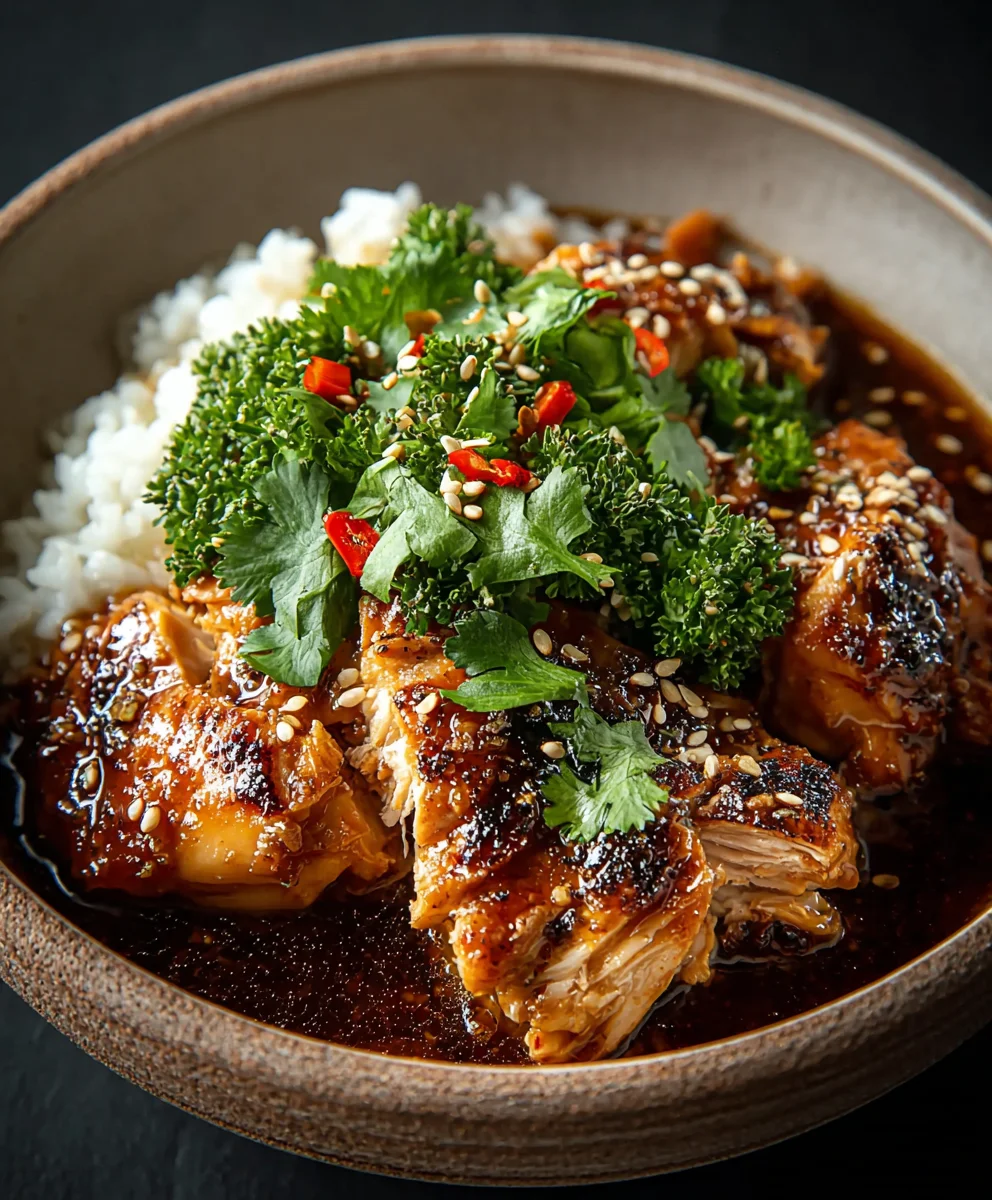
There you have it – a delicious and satisfying recipe for Keto Asian Style Chicken! We hope you enjoyed exploring this flavorful dish, which perfectly balances savory, sweet, and a hint of spice. This recipe is a fantastic way to enjoy Asian-inspired cuisine while sticking to your ketogenic lifestyle. Its versatility makes it a winner for weeknight dinners or even when entertaining guests. Don’t be afraid to experiment and make it your own!
For serving, consider pairing your Keto Asian Style Chicken with a side of steamed broccoli, cauliflower rice, or even a crisp cucumber salad for a refreshing contrast. This dish also holds up beautifully as leftovers, making meal prep a breeze.
Remember, the beauty of cooking is in personalization. Feel free to adjust the spice level to your preference, swap out vegetables based on what you have on hand, or even add a sprinkle of toasted sesame seeds for extra crunch and flavor.
We encourage you to try this Keto Asian Style Chicken recipe and share your culinary creations with us. Happy cooking!
Frequently Asked Questions:
Can I make this Keto Asian Style Chicken ahead of time?
Yes, absolutely! The Keto Asian Style Chicken can be prepared a day in advance and stored in an airtight container in the refrigerator. Reheat gently on the stovetop or in the microwave, adding a splash of water or broth if it seems a little dry.
Are there any nut-free variations for Keto Asian Style Chicken?
Yes, if you have a nut allergy, you can easily omit the peanuts or peanut butter. For a similar creamy texture, you could try using tahini (sesame paste) as a base for the sauce, though this will alter the flavor profile slightly. Alternatively, you can simply increase the amount of tamari or soy sauce and other seasonings to compensate.
Keto Asian Style Beef
An easy and flavorful keto-friendly Asian-inspired beef dish with tender marinated beef and a savory, slightly spicy sauce.
Ingredients
-
2 lbs boneless beef sirloin or flank steak, cut into bite-sized pieces
-
1/2 cup soy sauce (or tamari for gluten-free)
-
1/4 cup rice vinegar
-
2 tablespoons sesame oil
-
2 cloves garlic, minced
-
1 tablespoon fresh ginger, minced
-
1 tablespoon sugar-free sweetener (e.g., erythritol or stevia)
-
1/2 teaspoon red pepper flakes (adjust to taste)
-
Sesame seeds, for garnish
-
Fresh cilantro, chopped, for garnish
Instructions
-
Step 1
Prepare the beef: Trim excess fat from the beef and cut it into approximately 1-inch bite-sized pieces. Place the cut beef into a medium-sized bowl. -
Step 2
Create the marinade: In a separate bowl, combine soy sauce (or tamari), rice vinegar, sesame oil, minced garlic, minced ginger, sugar-free sweetener, and red pepper flakes. Whisk until well combined. -
Step 3
Marinate the beef: Pour the marinade over the beef pieces, ensuring each piece is coated. Cover the bowl tightly and refrigerate for at least 30 minutes, or up to 2-4 hours for deeper flavor. -
Step 4
Sear the beef: Heat 1 tablespoon of neutral cooking oil in a large skillet or wok over medium-high heat. Add the marinated beef in a single layer, cooking in batches if necessary to avoid overcrowding. Sear for 3-4 minutes per side until a golden-brown crust forms. -
Step 5
Simmer and thicken the sauce: Reduce the heat to medium-low. Pour the remaining marinade from the bowl into the skillet. Bring to a gentle simmer and cook for 5-7 minutes, stirring occasionally, until the beef is cooked through and the sauce has slightly thickened. For a thicker sauce, whisk in a slurry made from 1 teaspoon xanthan gum and 1 tablespoon water. -
Step 6
Finish and serve: Remove the skillet from heat. Garnish generously with toasted sesame seeds and chopped fresh cilantro. Toss gently to combine. Serve immediately, optionally with cauliflower rice or zucchini noodles.
Important Information
Nutrition Facts (Per Serving)
It is important to consider this information as approximate and not to use it as definitive health advice.
Allergy Information
Please check ingredients for potential allergens and consult a health professional if in doubt.