Healthy Sautéed Vegetables Quick Flavorful Side
Healthy sautéed vegetables are about to become your new go-to side dish, and for good reason! Are you tired of bland, boring vegetables that feel more like a chore than a treat? I certainly was. That’s where this incredibly versatile and deceptively simple recipe for healthy sautéed vegetables comes in. It’s the perfect solution for anyone looking to boost their nutrient intake without sacrificing flavor or spending hours in the kitchen. What makes this dish so special? It’s the magic that happens when fresh, vibrant produce hits a hot pan with just the right touch of seasoning. The quick sauté locks in that amazing crunch and sweetness, transforming humble veggies into a culinary star. You’ll love how it pairs with almost any main course, adding a burst of color and goodness to your plate. This is more than just a side; it’s a gateway to healthier, more delicious eating.
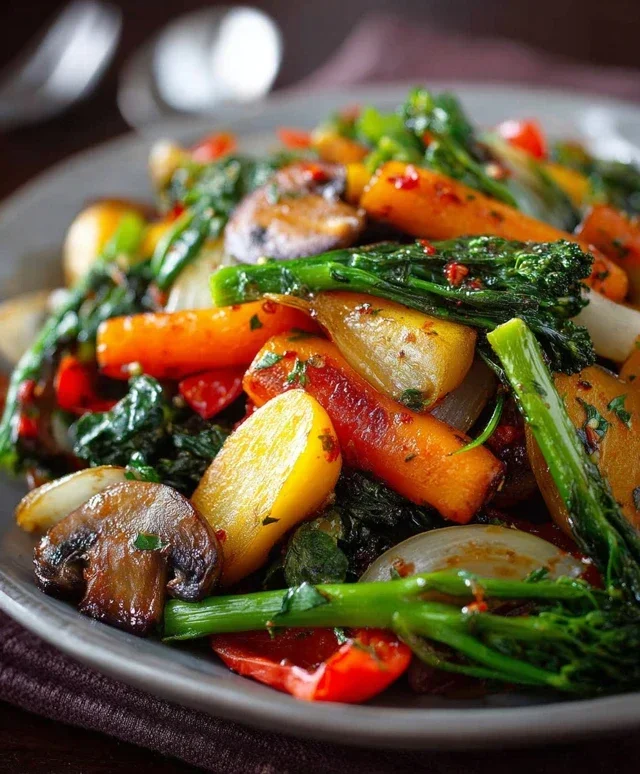
Healthy Sautéed Vegetables – Quick, Flavorful & Nutritious Side
Looking for a way to elevate your meals with vibrant colors, incredible flavor, and a serious nutritional punch? My go-to for a quick, healthy, and absolutely delicious side dish is this simple yet sensational sautéed vegetable medley. It’s the perfect accompaniment to grilled chicken, fish, steak, or even just enjoyed on its own for a light lunch. What I love most about this recipe is its versatility. You can easily swap out vegetables based on what’s in season or what you have on hand, and the basic technique remains foolproof. Let’s get started on creating a dish that’s as good for you as it is satisfying!
Ingredients:
Cooking Instructions:
The beauty of sautéing is that it’s a fast cooking method that locks in nutrients and creates a wonderful texture. We want our vegetables to be tender-crisp, meaning they still have a slight bite to them, rather than being mushy. This is achieved by not overcrowding the pan and cooking at the right temperature.
1. Prepare Your Vegetables
Before you even think about turning on the stove, it’s crucial to have all your ingredients prepped and ready to go. This is the golden rule of stir-frying and sautéing, as the cooking process is very rapid. Wash and dry all your produce thoroughly. Slice your onion thinly so it cooks evenly and becomes sweet. For the bell pepper, remove the seeds and membrane and slice it into strips. Cut the zucchini into attractive half-moon shapes, about ¼-inch thick. Break the broccoli into bite-sized florets. For the carrot, you can either julienne it into thin matchsticks or slice it very thinly on the diagonal; either way ensures it cooks quickly. Trim the ends off the snap peas. Slice your mushrooms. Mince your garlic finely. Having everything chopped and within easy reach will make the cooking process smooth and enjoyable.
2. Heat the Pan and Add the Aromatics
Place a large skillet or a wok over medium-high heat. Allow it to get nice and hot before adding your fat. I often use olive oil for its healthy fats and subtle flavor, but avocado oil is excellent for higher heat, and a touch of butter can add richness. Once the oil is shimmering (but not smoking), add your thinly sliced onion. Sauté the onion for about 2-3 minutes, stirring frequently, until it starts to soften and become translucent. This gentle cooking of the onion builds a sweet flavor base for the entire dish. Next, add the minced garlic to the pan. Garlic burns quickly, so we only want to cook it for about 30 seconds to 1 minute, until fragrant. Be careful not to let it brown, as burnt garlic can impart a bitter taste. Stir it constantly with the onions.
3. Introduce the Harder Vegetables
Now it’s time to add the vegetables that take a little longer to cook. These include the broccoli florets and the julienned or thinly sliced carrots. Add them to the skillet with the onions and garlic. Stir everything together to coat the vegetables in the oil and aromatics. Let them sauté for about 4-5 minutes, stirring occasionally. You’ll notice the broccoli will start to turn a vibrant green, and the carrots will soften slightly. This initial sautéing allows these denser vegetables to begin extract their cooking process, ensuring they become tender without overcooking the softer vegetables that will be added later. If the pan seems a bit dry, you can add another splash of oil.
4. Add the Softer Vegetables and Season
Once the broccoli and carrots have had a head start, it’s time to add the remaining vegetables. This includes the sliced bell pepper, zucchini, snap peas, and mushrooms. Add them all to the skillet. Now is also the perfect time to season generously with salt and freshly ground black pepper. Don’t be shy with the salt; it truly brings out the natural flavors of the vegetables. Stir everything together well, ensuring all the vegetables are distributed evenly in the pan. Continue to cook, stirring frequently, for another 5-7 minutes. You’re looking for the vegetables to be tender-crisp. The bell peppers should still have a slight bite, the zucchini should be tender but not mushy, and the snap peas should be bright green and slightly crisp. The mushrooms will release their moisture and then start to brown slightly.
5. Finishing Touches for Maximum Flavor
As the vegetables reach your desired tenderness, it’s time for the finishing touches that elevate this simple sauté into something truly special. If you’re using them, stir in the optional lemon juice for a burst of brightness or the balsamic vinegar or soy sauce for a touch of savory depth. Stir these in for the last minute of cooking. Taste and adjust your seasoning if needed. If you desire a bit more heat, a pinch of red pepper flakes can be added at this stage.
6. Serve and Enjoy!
Once your vegetables are perfectly cooked, remove the skillet from the heat. You can serve these beauties immediately as is, or get creative with the optional toppings. A sprinkle of toasted slivered almonds or sunflower seeds adds a lovely crunch. Freshly chopped herbs like parsley, chives, or cilantro can add another layer of freshness. For a touch of Italian flair, a dusting of grated Parmesan cheese is divine. This dish is incredibly versatile and can be customized to your liking, making it a true staple in my kitchen for quick, healthy, and delicious meals.
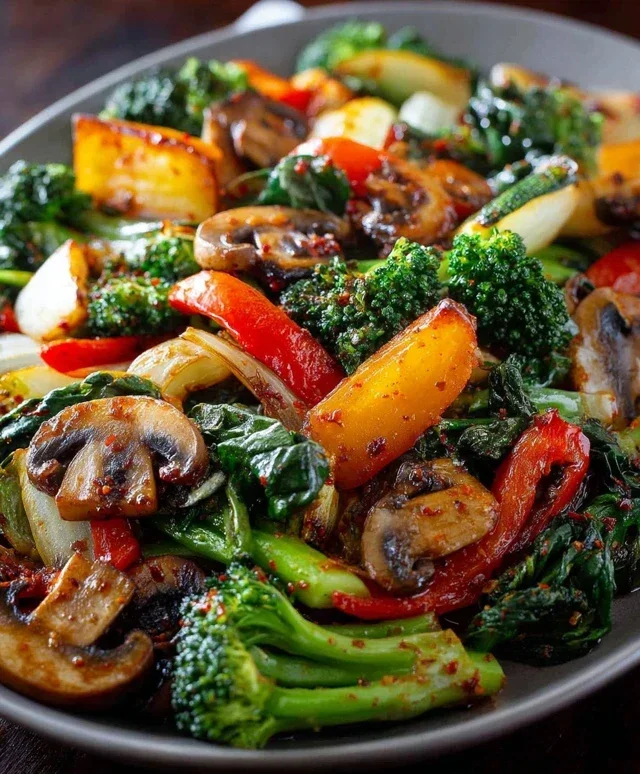
Conclusion:
So there you have it – a simple yet incredibly versatile way to whip up delicious and healthy sautéed vegetables that are as good for you as they are tasty! This recipe is a true winner because it proves that healthy eating doesn’t have to be complicated or time-consuming. In just minutes, you can transform humble vegetables into a vibrant and flavorful side dish that perfectly complements any meal. Whether you’re a seasoned home cook or just starting out, this method is foolproof and guaranteed to impress.
Feel free to get creative with your serving suggestions! These sautéed vegetables are fantastic alongside grilled chicken or fish, tossed with pasta, served over quinoa or rice, or even enjoyed on their own as a light lunch. Don’t be afraid to experiment with different vegetable combinations based on what’s in season or what you have on hand. Think colorful bell peppers, crisp broccoli florets, tender zucchini, sweet carrots, or earthy mushrooms. And for even more flavor, try adding a pinch of red pepper flakes for a little heat, or a squeeze of fresh lemon juice at the end for brightness.
I truly encourage you to give this healthy sautéed vegetables recipe a try. It’s a game-changer for busy weeknights and a fantastic way to boost your daily veggie intake. You’ll be amazed at how quickly you can create such a satisfying and nutritious dish.
Frequently Asked Questions:
What are the best vegetables for sautéing?
Almost any vegetable can be sautéed! Heartier vegetables like carrots, broccoli, and cauliflower benefit from being cut into smaller pieces and may require a slightly longer cooking time. Softer vegetables like spinach, mushrooms, and bell peppers cook very quickly and add wonderful texture and color. The key is to cut vegetables of similar density into roughly the same size for even cooking.
Can I make this recipe ahead of time?
While sautéed vegetables are best enjoyed fresh for optimal texture and flavor, they can be made a day in advance and reheated. Reheat gently in a skillet over low heat, or microwave. They may lose a bit of their crispness upon reheating, but will still be delicious.
What can I add for extra protein?
To turn your sautéed vegetables into a more complete meal, consider adding cooked protein. Stir in some chickpeas, pre-cooked lentils, cubed tofu, or even some leftover shredded chicken or shrimp towards the end of the cooking process. This makes for a fantastic and quick plant-based option or a simple way to add substance to any meal.
Healthy Sautéed Vegetables
A quick, flavorful, and nutritious side dish featuring a vibrant medley of sautéed vegetables. Perfect for any meal.
Ingredients
-
2 tbsp olive oil
-
2 cloves garlic, minced
-
1 small onion, thinly sliced
-
1 bell pepper, sliced
-
1 zucchini, sliced into half-moons
-
1 cup broccoli florets
-
1 medium carrot, julienned or sliced thin
-
½ cup snap peas
-
½ cup mushrooms, sliced
-
Salt and black pepper, to taste
-
1 tsp lemon juice
-
1 tsp balsamic vinegar
Instructions
-
Step 1
Heat olive oil in a large skillet or wok over medium-high heat. -
Step 2
Add minced garlic and thinly sliced onion, and sauté for about 1 minute until fragrant. -
Step 3
Add sliced bell pepper, zucchini, broccoli florets, and julienned carrots to the skillet. Stir-fry for 5-7 minutes until vegetables are tender-crisp. -
Step 4
Add snap peas and sliced mushrooms, and continue to sauté for another 2-3 minutes until mushrooms are softened. -
Step 5
Season generously with salt and black pepper to taste. -
Step 6
Stir in lemon juice and balsamic vinegar, if using, and toss to combine.
Important Information
Nutrition Facts (Per Serving)
It is important to consider this information as approximate and not to use it as definitive health advice.
Allergy Information
Please check ingredients for potential allergens and consult a health professional if in doubt.