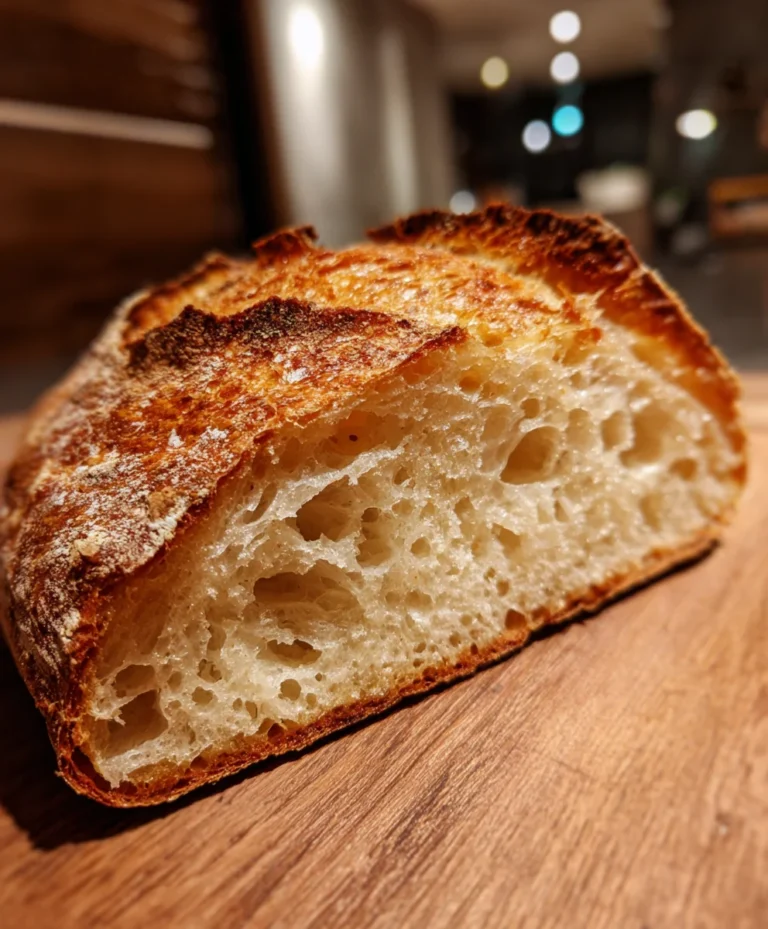
Blueberry Lemon Sourdough Bread-Easy Zesty Bake
Blueberry Lemon Sourdough Bread is more than just a delicious baked good; it’s an experience. Imagin extracte a warm slice, gently tearing to reveal pockets of juicy, bursting blueberries nestled within a tangy, chewy sourdough crum extractb. The zesty brightness of lemon cuts through the sweetness, creating a perfectly balanced flavor profile that sings of sunshine and comfort. This isn’t your average loaf; it’s a testament to the magic of slow fermentation, where the natural yeasts work their wonders to create an unparalleled depth of flavor and a wonderfully open texture. People adore this particular bread because it manages to be both rustic and sophisticated, a comforting staple with an elevated twist. The tartness of the blueberries, the fragrant zest of the lemon, and the signature tang of the sourdough starter combine to make each bite an adventure for your taste buds. It’s the kind of bread that makes a simple breakfast feel like a special occasion and elevates any afternoon tea or coffee break. Get ready to fall in love with your next homemade loaf.

Ingredients:
- 3 cups bread flour
- 1⅓ cups lukewarm water
- ¾ cup sourdough starter ((active, bubbly, and well fed))
- 3 tablespoons white sugar
- 1 teaspoon salt
- 1¼ cup blueberries ((fresh is easiest))
- 1 tablespoon lemon zest
The Sourdough Foundation
Autolyse – The First Mix
This initial step is all about hydrating the flour and jumpstarting gluten development without any manipulation. In a large mixing bowl, combine the 3 cups of bread flour and 1⅓ cups of lukewarm water. Use your hands or a spatula to gently mix them together until no dry flour remains. The dough will look shaggy and uneven at this point, and that’s perfectly fine. Cover the bowl with a clean kitchen towel or plastic wrap and let it rest for 30 minutes to an hour. This resting period, known as autolyse, allows the flour to fully absorb the water, making the dough more pliable and easier to work with in the subsequent stages. It also begin extracts the enzymatic processes that contribute to the sourdough’s flavor and texture.
Incorporating the Magic – Starter, Sugar, and Salt
After the autolyse period, it’s time to introduce the heart and soul of your Blueberry Lemon Sourdough Bread: the active sourdough starter. Add the ¾ cup of active, bubbly starter to the rested dough. Sprinkle the 3 tablespoons of white sugar and 1 teaspoon of salt evenly over the dough. Now, using your hands, dive in and thoroughly incorporate these new ingredients. The best way to do this is by pinching and folding the dough over itself. Continue this process for about 5 minutes until everything is well combined and the dough starts to feel a bit smoother. The sugar will help feed the yeast in the starter and contribute to a slightly sweeter crum extractb, while the salt is crucial for flavor and controlling fermentation.
Developing Strength and Flavor
Stretch and Folds – Building the Structure
This is where we build the strength and structure of our dough, essential for a good rise anrum extractpen crumb. Over the next 2 to 3 hours, you’ll perform a series of “stretch and folds.” To do this, wet your hands slightly to prevent sticking. Grab one side of the dough, gently stretch it upwards as far as it will go without tearing, and then fold it back over onto itself. Rotate the bowl a quarter turn and repeat this stretching and folding motion. Do this for all four sides of the dough. Aim to perform these stretch and folds every 30 minutes for the first 2 hours, and then perhaps once more an hour later. You’ll notice the dough becoming progressively smoother, stronger, and more elastic with each set. It will start to hold its shape better and develop a taut surface.
Adding the Zesty and Fruity Notes
Once your dough has undergone its series of stretch and folds and feels strong and elastic, it’s time to add the vibrant flavors. Gently sprinkle the 1 tablespoon of lemon zest and the 1¼ cup of fresh blueberries evenly over the surface of the dough. Now, carefully fold the dough over itself a few times to distribute these additions throughout. Be gentle here to avoid crushing the blueberries too much, as you want some to remain whole for bursts of flavor. The lemon zest will weave its bright, citrusy aroma and taste through the entire loaf, complementing the natural tang of the sourdough and the sweetness of the blueberries.
Shaping and the Final Rise
Pre-Shaping and Bench Rest
After incorporating the blueberries and lemon zest, let the dough rest, covered, for about 20-30 minutes. This brief rest allows the gluten to relax after being handled. Then, it’s time to pre-shape your loaf. Lightly flour your work surface and gently turn the dough out onto it. Form the dough into a rough round or oblong shape, depending on how you plan to bake it. The goal is to create some surface tension without degassing the dough too much. Cover the pre-shaped dough with the kitchen towel or plastic wrap again and let it rest for another 15-20 minutes. This bench rest is critical for making the final shaping easier and preventing tears.
Final Shaping and Cold Fermentation
Now for the final shaping. Lightly flour your hands and the work surface again. Gently flip your dough over. Shape it into your desired loaf form – a boule (round) or a batard (oval) are common for sourdough. Aim to create good surface tension by gently tucking and pulling the dough towards you, creating a smooth, taut skin on top. Once shaped, carefully place the dough, seam-side up, into a floured banneton (proofing basket) or a bowl lined with a floured tea towel. Cover it tightly with plastic wrap or place the banneton inside a plastic bag to prevent the dough from drying out. Now, the crucial step for developing deep flavor and a wonderful texture: cold fermentation. Place the covered dough in the refrigerator for at least 12 hours, and up to 24 hours. This slow, cold rise allows the sourdough to work its magic, developing complex flavors and making the dough easier to score.

Conclusion:
There you have it – the delightful journey to creating your very own Blueberry Lemon Sourdough Bread! We’ve walked through each step, from feeding your starter to the final golden crust, and I truly hope you feel empowered and excited to give this recipe a try. The combination of tangy sourdough, sweet blueberries, and bright lemon is truly a taste of sunshine in every slice.
This Blueberry Lemon Sourdough Bread is incredibly versatile. Enjoy it toasted with a smear of cream cheese for breakfast, serve it alongside a fresh salad for lunch, or even as a unique dessert with a dollop of whipped cream. Don’t be afraid to experiment with variations! You could add a touch of lavender for an extra floral note, or swap some of the blueberries for raspberries for a different fruity twist. Most importantly, have fun with the process! Sourdough baking is a rewarding adventure, and the results are always worth it.
Frequently Asked Questions:
Q: My blueberries seem to be sinking to the bottom of the loaf. How can I prevent this?
A: A common trick to prevent sinking is to toss your blueberries with a tablespoon of the recipe’s flour before adding them to the dough. This helps them to absorb some moisture and cling to the dough better, reducing the tendency to sink during proofing and baking.
Q: Can I use frozen blueberries instead of fresh ones?
A: Yes, you absolutely can use frozen blueberries! However, it’s crucial to use them directly from frozen without thawing. Thawed blueberries will release too much moisture, which can make your dough gummy and lead to sinking. Again, tossing them with a bit of flour before adding them is a good idea.
Q: My sourdough starter isn’t very active. Will this recipe still work?
A: While an active and bubbly starter is ideal for optimal rise and flavor, this recipe can still yield a delicious loaf even with a moderately active starter. You might find the rise to be a little less pronounced, and the tangin extractess might be milder. Ensure your starter is fed regularly and is showing consistent activity before embarking on this bake for the best results.
Blueberry Lemon Sourdough Bread-Easy Zesty Bake
An easy and zesty recipe for a delicious Blueberry Lemon Sourdough Bread, perfect for any occasion. This bread features a tangy sourdough base infused with bright lemon zest and sweet blueberries.
Ingredients
-
3 cups bread flour
-
1⅓ cups lukewarm water
-
¾ cup sourdough starter (active, bubbly, and well fed)
-
3 tablespoons white sugar
-
1 teaspoon salt
-
1¼ cup blueberries (fresh is easiest)
-
1 tablespoon lemon zest
Instructions
-
Step 1
Autolyse: In a large mixing bowl, combine bread flour and lukewarm water. Mix until no dry flour remains. Cover and let rest for 30 minutes to an hour. -
Step 2
Incorporate Starter, Sugar, and Salt: Add active sourdough starter, sugar, and salt to the rested dough. Pinch and fold for about 5 minutes until well combined and smoother. -
Step 3
Stretch and Folds: Over 2-3 hours, perform stretch and folds every 30 minutes for the first 2 hours, then once more an hour later. This builds dough strength and structure. -
Step 4
Add Flavors: Gently sprinkle lemon zest and blueberries over the dough. Carefully fold to distribute. Avoid crushing blueberries too much. -
Step 5
Pre-Shaping and Bench Rest: Let dough rest covered for 20-30 minutes. Gently shape into a rough round or oblong. Cover and rest for another 15-20 minutes. -
Step 6
Final Shaping and Cold Fermentation: Shape dough into desired loaf form (boule or batard), creating good surface tension. Place seam-side up in a floured banneton or lined bowl. Cover tightly and refrigerate for at least 12-24 hours.
Important Information
Nutrition Facts (Per Serving)
It is important to consider this information as approximate and not to use it as definitive health advice.
Allergy Information
Please check ingredients for potential allergens and consult a health professional if in doubt.